If you have searched for 7 Mukhi Rudraksha price online, you have likely encountered a bewildering range — from ₹50 to ₹50,000 for what appears to be the same bead. Understanding what drives this variation is essential before making any purchase. The price of an original 7 Mukhi Rudraksha reflects its origin, size, mukhi definition, certification, and the quality of the seller — not just market competition.
7 Mukhi Rudraksha Price Range in India
Here is a broad reference framework for the Indian market:
| Category | Approximate Price Range | Notes |
|---|---|---|
| Fake / carved beads | ₹50 – ₹300 | Artificially carved wood or resin — not genuine |
| Indonesian origin (uncertified) | ₹300 – ₹800 | Smaller beads, lower mukhi definition |
| Indonesian origin (certified) | ₹600 – ₹900 | Better quality, with documentation |
| Nepali origin (standard) | ₹500 – ₹900 | Well-defined mukhis, larger size |
| Nepali origin (certified, premium) | ₹900 – ₹1,500 | Lab-certified, high mukhi definition |
| Collector / siddha beads | ₹2,500 – ₹50,000+ | Rare, exceptionally well-formed specimens |
Any 7 Mukhi Rudraksha sold for under ₹300 is almost certainly not a genuine natural bead from Nepal or even from a verified Indian source. Be especially cautious of very low pricing.
Nepali Rudraksha Price
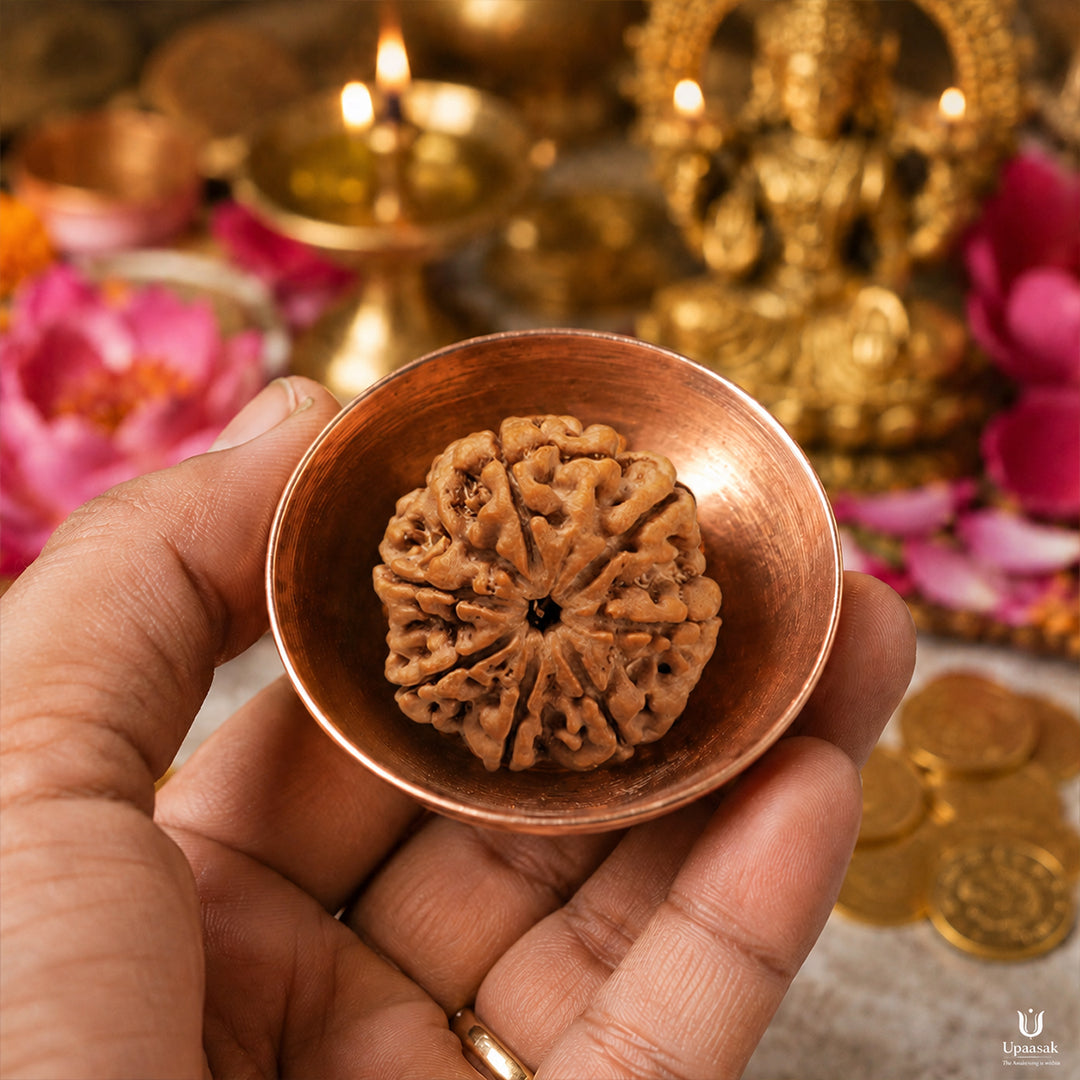
Nepali 7 Mukhi Rudraksha commands the highest price among all origins — and for good reason. Nepal's high-altitude Himalayan growing conditions produce beads with:
- Larger physical size (typically 18–25mm diameter)
- More pronounced, well-defined mukhis
- Greater density and weight
- Stronger traditional and astrological significance (Nepali Rudraksha is specified in classical texts as the most potent)
A genuine, certified Nepali 7 Mukhi Rudraksha typically costs between ₹900 and ₹1,500 depending on size and mukhi definition. Exceptionally large or perfectly formed specimens can exceed this range.
The natural 7 Mukhi Nepali Rudraksha from Upaasak is sourced from Nepal with verified origin — its pricing reflects genuine Nepali quality rather than artificially inflated or deflated rates.
Original vs Ordinary Beads
The 7 Mukhi Rudraksha price difference between original and ordinary beads comes down to:
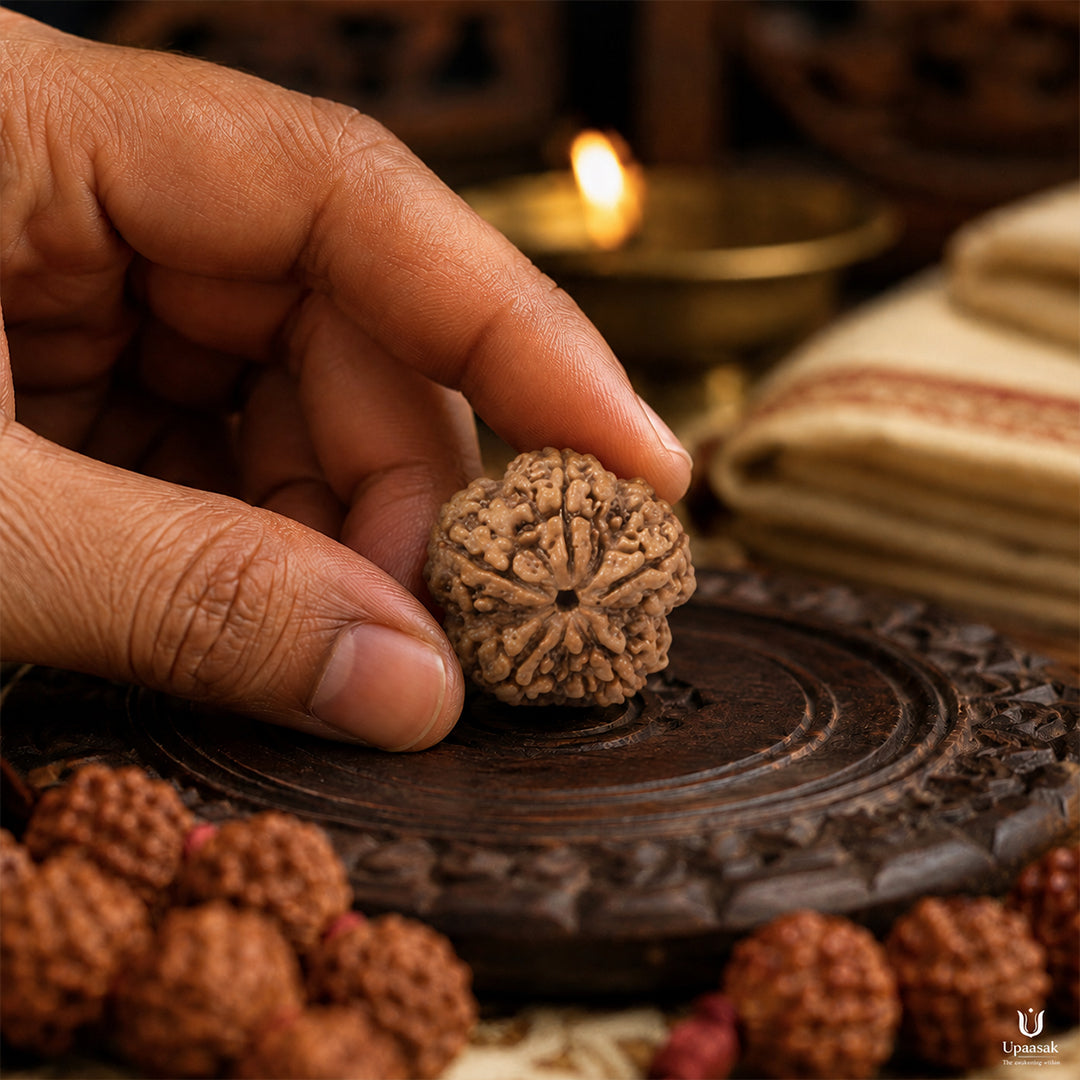
- Natural mukhis vs carved mukhis: Genuinely grown mukhis form organically during the bead's growth on the tree. Carved mukhis are added artificially after harvesting a plain or lower-mukhi bead — this is a common fraud in the market.
- Origin: Nepali origin commands a premium over Indonesian or domestic Indian origin.
- Mukhi definition: Beads with clearer, more pronounced mukhis are rarer and more expensive within each origin category.
- Size: Larger beads (above 20mm) are rarer and priced higher.
Why Prices Differ
The 7 Mukhi Rudraksha price varies because:
- Origin: Nepal > India > Indonesia in traditional value and market price
- Certification: Certified beads carry a premium reflecting the authentication cost and the seller's accountability
- Seller credibility: Reputable sellers with verifiable sourcing price fairly — not the lowest, but not exploitatively high
- Size: Diameter directly correlates with price within the same quality tier
- Market fraud: Fake beads sold at low prices create the impression that all Rudraksha should be cheap
Size and Quality
Rudraksha size is measured in millimetres (diameter). For the 7 Mukhi:
- Small: 14–17mm — more affordable, suitable for bracelets or pendants
- Medium: 18–22mm — standard pendant or mala size
- Large: 23mm+ — premium pricing, highly valued in tradition
Quality within each size category depends on mukhi clarity, surface texture naturalness, and the absence of cracks or damage.
Certification
A lab certification for a 7 Mukhi Rudraksha typically adds ₹200–₹500 to the overall price, depending on the certifying body and the depth of testing. This cost buys:
- Verified mukhi count (seven naturally formed lines)
- Geographic origin documentation
- Confirmation that mukhis are not artificially carved
- A physical or digital certificate accompanying the bead
For online purchases, this certification cost is the most important premium to accept — it replaces the ability to physically examine the bead before buying.
Natural vs Treated Beads
Some sellers chemically treat or lacquer Rudraksha beads to improve their appearance — smoothing surface texture, deepening colour, or making carved mukhis appear more natural. Treated beads may look beautiful but lose some of the traditional purity that makes an original 7 Mukhi Rudraksha meaningful in devotional practice.
Always ask whether beads are natural and untreated. Reputable sellers disclose this information clearly.
7 Mukhi Bracelet & Pendant Pricing
- 7 Mukhi pendant (single bead on thread or silver wire): ₹1,200 – ₹4,000 depending on origin and certification
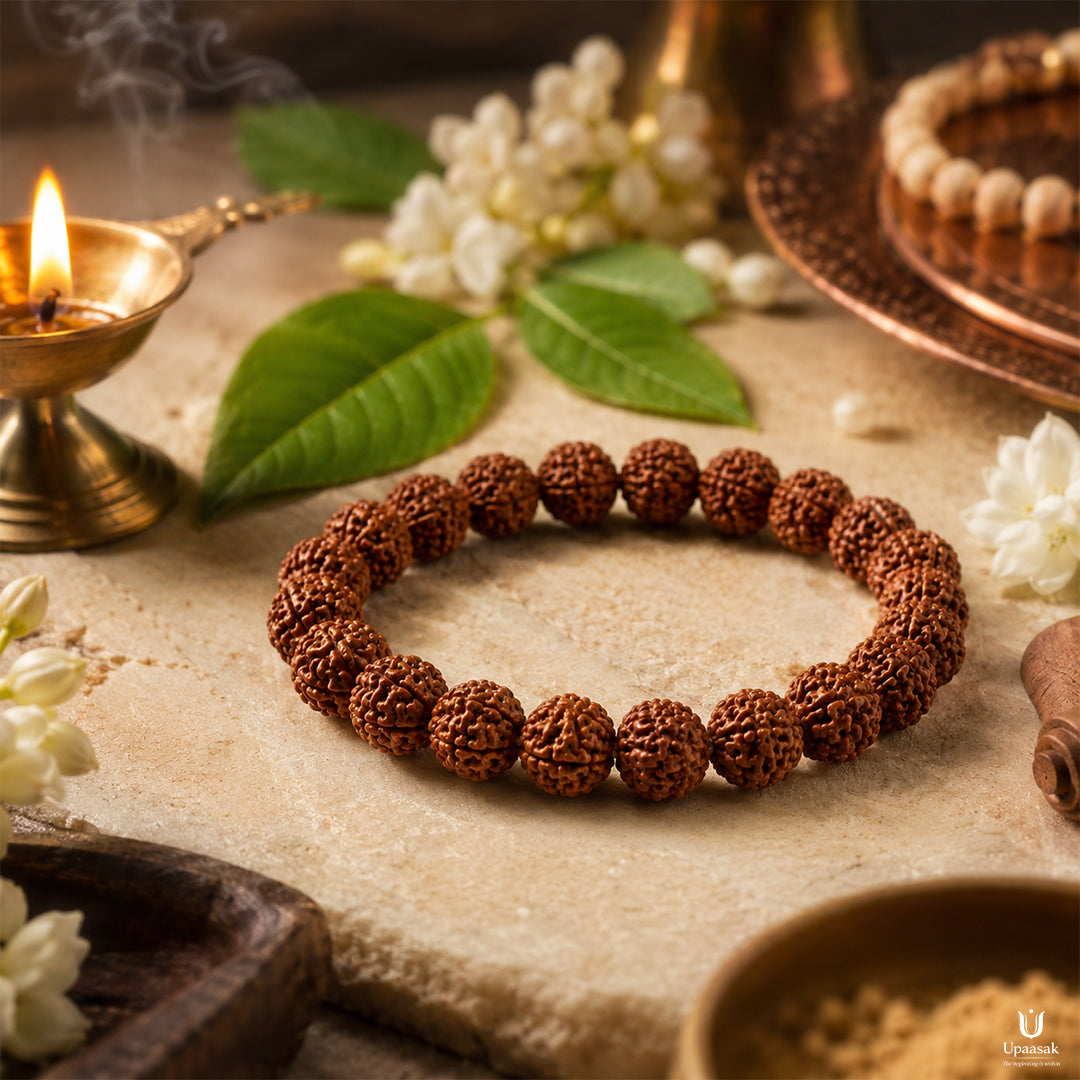
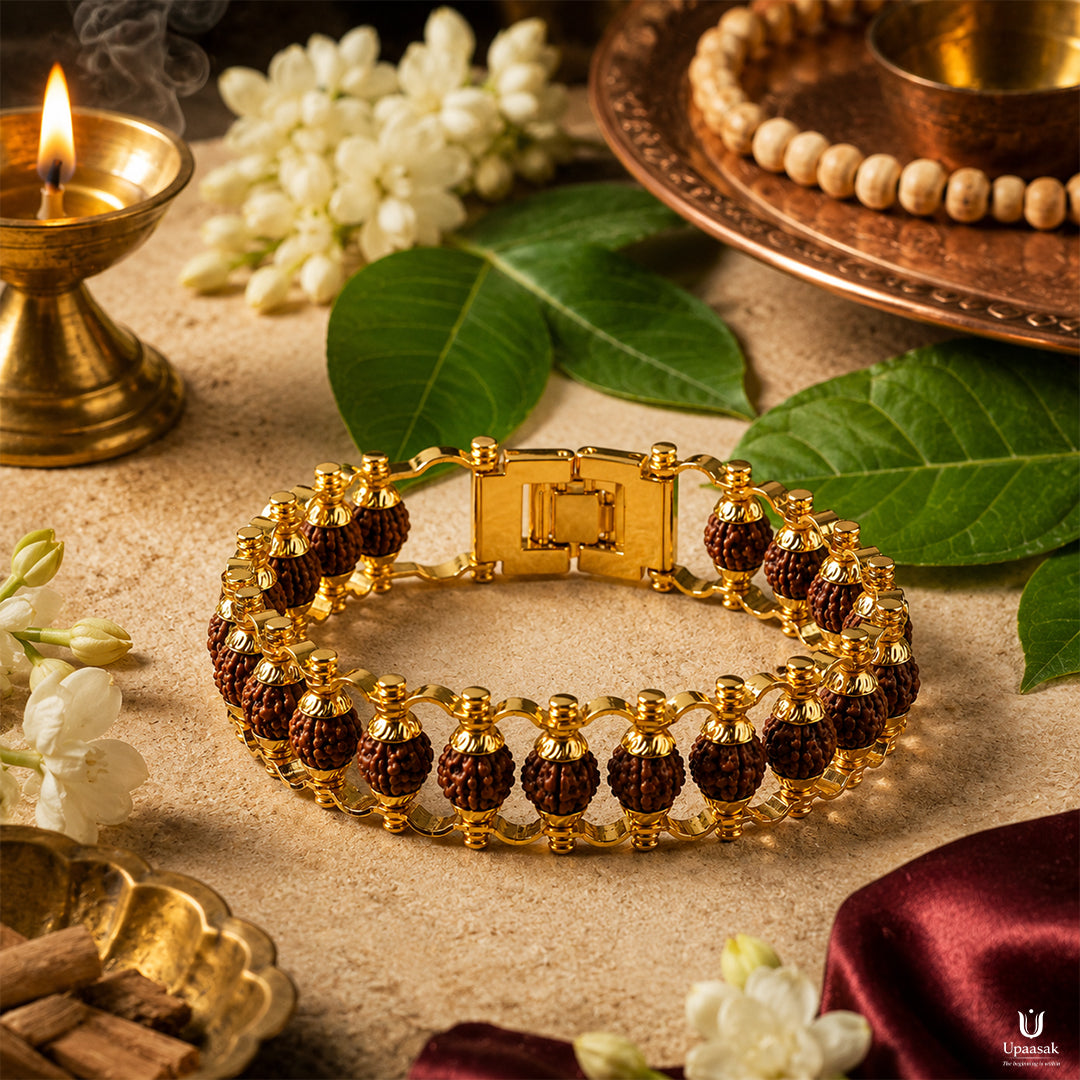
- 7 Mukhi bracelet (multiple beads): ₹2,000 – ₹8,000+ depending on bead count, size, and origin
Bracelets require multiple beads of consistent quality and size — making them more expensive than single-bead pendants for the same quality tier. Explore the full Rudraksha collection for available formats and pricing.
What to Check Before Paying
Before purchasing at any price point:
- Is the origin (Nepal, India, Indonesia) clearly stated?
- Is a natural crystal or Rudraksha certificate provided?
- Is the bead size (mm diameter) stated in the listing?
- Are detailed photographs showing the mukhis available?
- Does the seller have verifiable reviews from real buyers?
- Is there a return or exchange policy?
FAQ
What is the price of 7 Mukhi Rudraksha?
Genuine 7 Mukhi Rudraksha price in India ranges from ₹800 to ₹1,500 depending on origin, size, mukhi definition, and certification. Certified Nepali origin beads typically start around ₹900.
How much does an original Nepali 7 Mukhi Rudraksha cost?
A certified, natural Nepali 7 Mukhi Rudraksha typically costs between ₹900 and ₹1,500 in the Indian market. Exceptionally large or perfectly formed specimens may cost more.
Why does 7 Mukhi Rudraksha price vary so much?
Origin, size, mukhi clarity, certification, and seller credibility all drive price variation. Very low prices almost always indicate fake or carved beads.
Is expensive Rudraksha always better?
Not necessarily — but an unusually low price is a reliable warning sign. A fair price for certified Nepali origin is a better indicator of authenticity than the highest price alone.