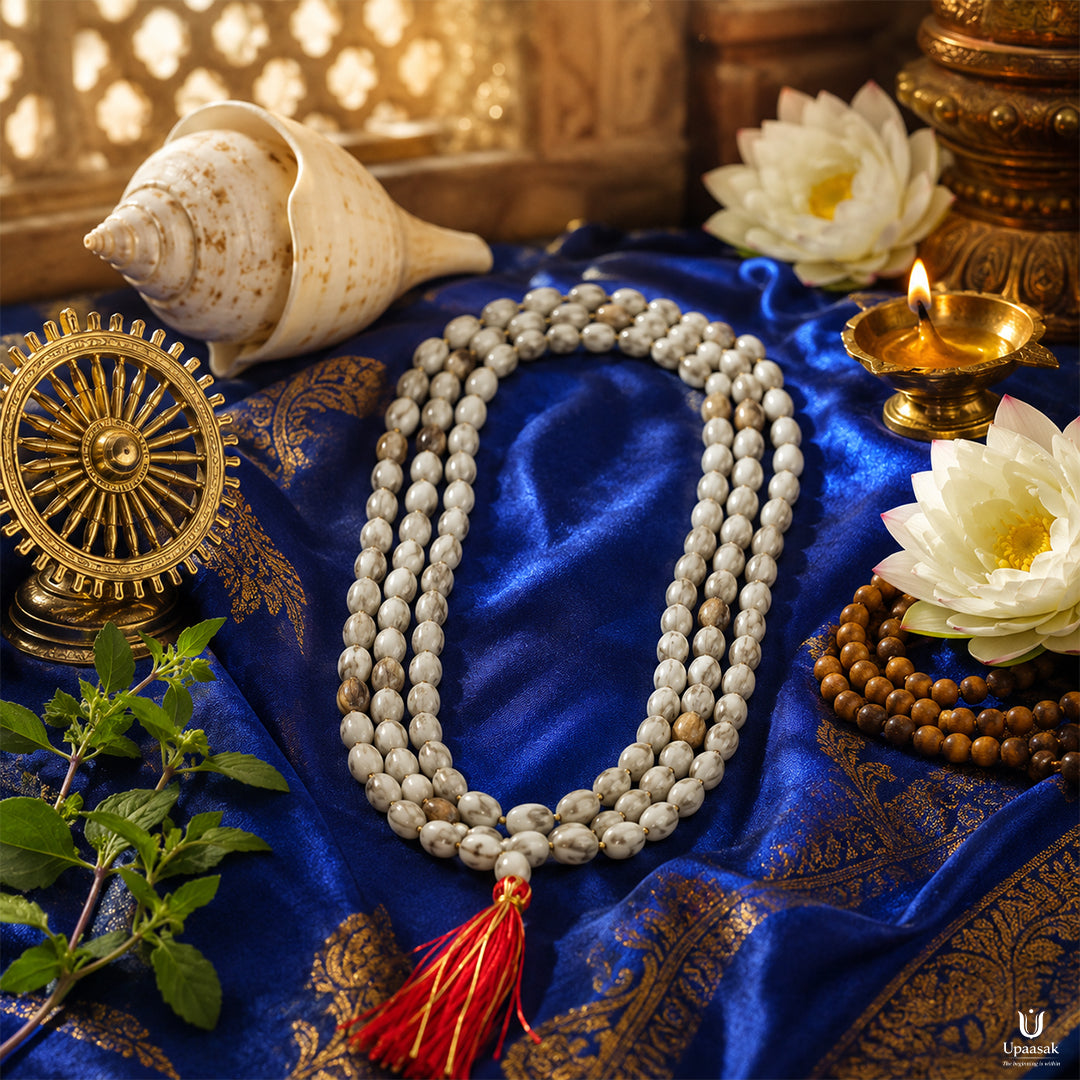
Understanding who can wear 7 Mukhi Rudraksha correctly helps you approach this sacred bead with the right intention and context. Unlike some Rudraksha varieties that carry specific restrictions, the seven-faced bead is relatively broadly recommended in traditional texts — though certain individuals benefit from it more than others based on their astrological profile, life circumstances, and spiritual intentions.
Who Can Wear It?
The 7 Mukhi Rudraksha is recommended in traditional Rudraksha literature for a wide range of individuals. According to the Shiva Purana and classical Jyotish texts, anyone seeking wealth, professional stability, emotional balance, or relief from Saturn-related challenges may wear this bead.
Broadly suitable for:
- Devotees of Goddess Mahalakshmi seeking prosperity blessings
- Those undergoing Sade Sati, Shani Mahadasha, or Shani Dhaiya
- Business owners and professionals experiencing career obstacles
- Individuals facing persistent financial difficulties
- Spiritual seekers working to deepen their Shiva devotion
Rashi Considerations
In Vedic astrology, the 7 Mukhi Rudraksha's Saturn rulership makes it particularly beneficial for rashis (moon signs) where Saturn plays a significant or challenging role:
| Rashi | Consideration |
|---|---|
| Makar (Capricorn) | Saturn is the ruling planet — the 7 Mukhi strengthens its positive qualities |
| Kumbha (Aquarius) | Saturn rules this sign as well — highly suitable |
| Tula (Libra) | Saturn is exalted here — can enhance Saturn's favourable qualities |
| Vrishchika (Scorpio) | Saturn is debilitated — the 7 Mukhi is often recommended to pacify this |
| Other rashis during Sade Sati | Suitable regardless of rashi during Saturn transit periods |
This does not mean other rashis cannot wear it — the seven-faced bead is considered broadly beneficial across all moon signs in most traditional recommendations. Rashi-specific guidance is most important for astrological remedy wearing rather than general spiritual wearing.
Men and Women
Both men and women can wear the 7 Mukhi Rudraksha. There are no gender-based restrictions in the Shiva Purana or mainstream Rudraksha tradition. Women specifically may benefit from Mahalakshmi's association with this bead — as the goddess of wealth, beauty, and domestic prosperity, her energy is considered deeply relevant to female devotees seeking abundance and stability.
Women who are pregnant are sometimes advised by traditional practitioners to consult before wearing any new Rudraksha — this is a precautionary traditional guideline, not a universal prohibition.
Business Owners
Who can wear 7 Mukhi Rudraksha most meaningfully? Business owners rank among the primary beneficiaries in traditional recommendations. Saturn governs sustained effort, discipline, and earned results — qualities central to business success. Mahalakshmi governs the prosperity that follows that effort. Together, this bead's dual association makes it a natural choice for entrepreneurs and business owners who want a spiritual companion to their professional ambitions.
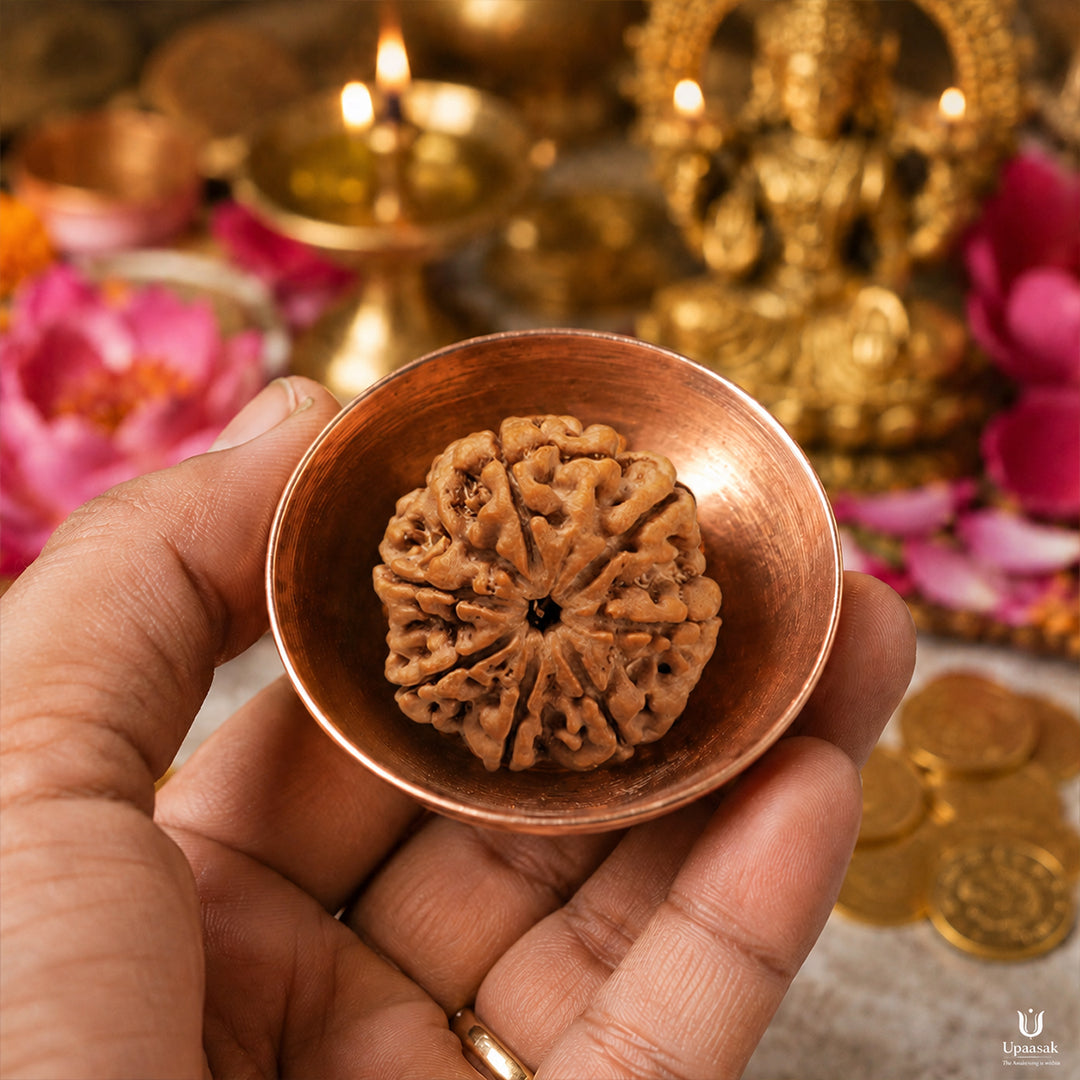
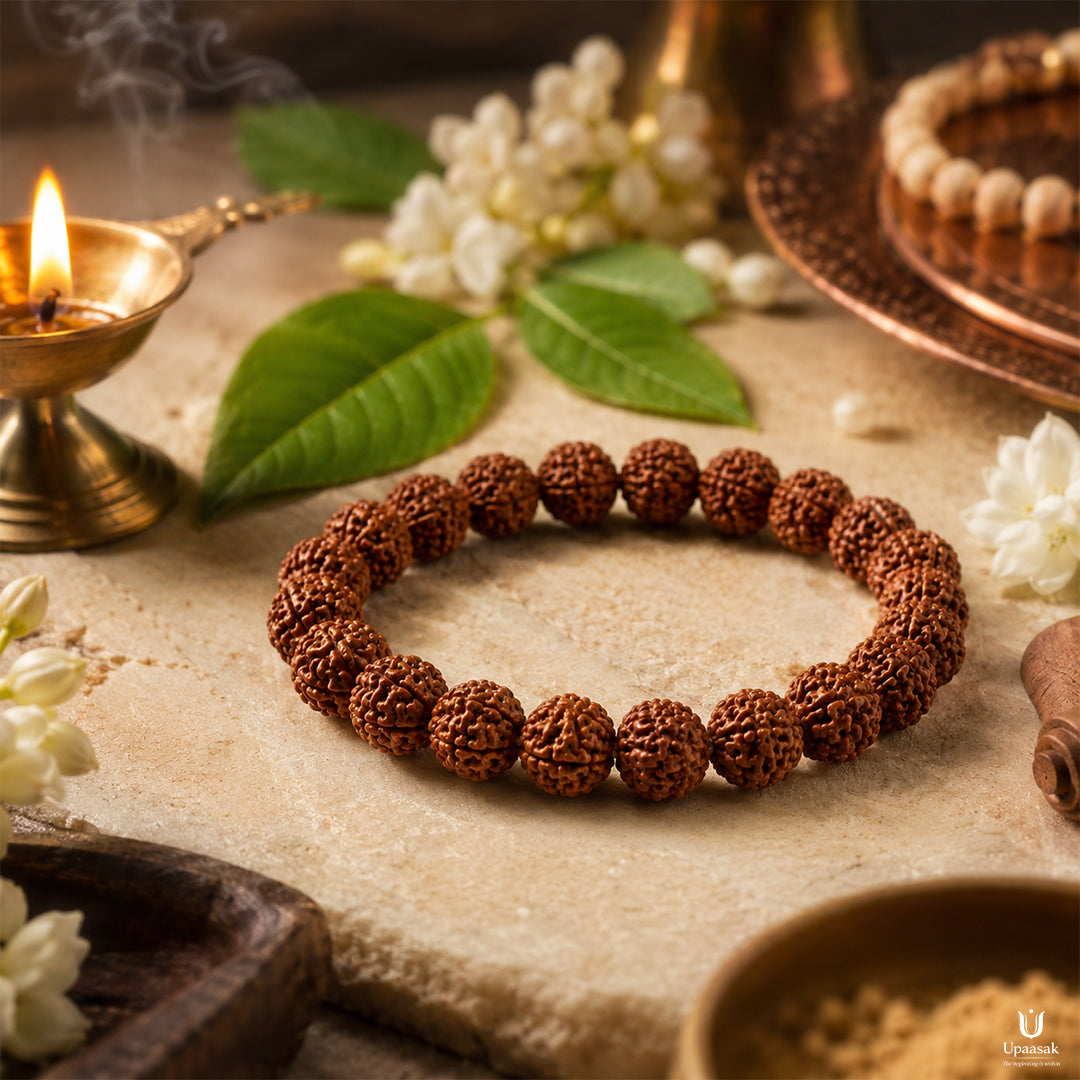
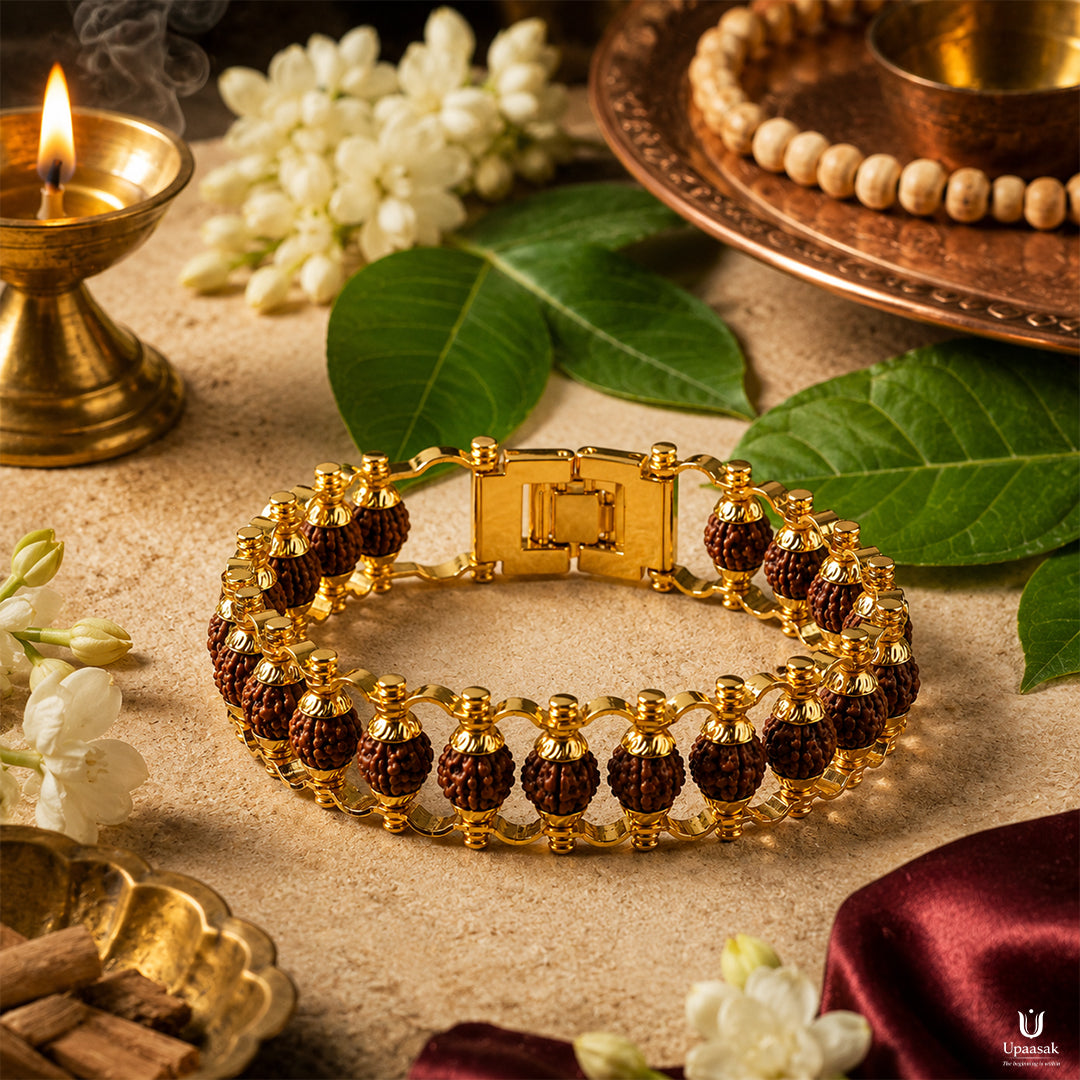
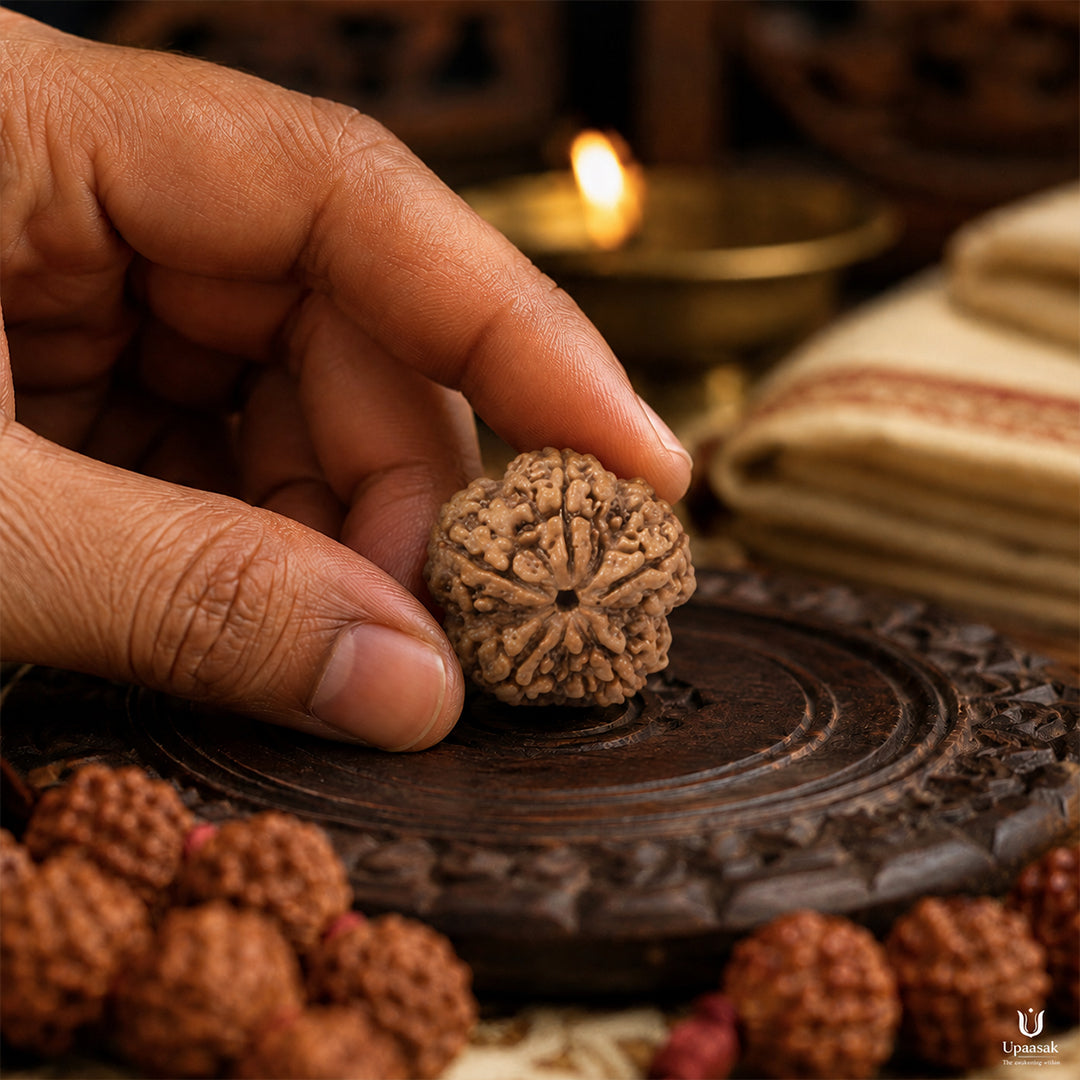
The natural 7 Mukhi Nepali Rudraksha from Upaasak is suitable for business-intention wearing — worn on the right wrist or as a pendant close to the chest during working hours.
Professionals
Professionals in fields governed by Saturn's domain in Vedic astrology include:
- Law and judiciary
- Administration and government service
- Engineering and construction
- Agriculture and real estate
- Service industries requiring sustained, long-term commitment
Those in these fields, particularly during Saturn-ruled periods, find the 7 Mukhi especially relevant in traditional wearing practice.
Students
Students facing concentration difficulties, academic obstacles, or pressure around examinations may also wear the 7 Mukhi Rudraksha — though the 5 Mukhi (associated with Jupiter and mental clarity) is more commonly recommended for students in the tradition. If a student's challenges are Saturn-related — delays, obstacles, or persistent setbacks — the 7 Mukhi becomes relevant.
People Facing Financial Obstacles
A key group for whom who can wear 7 Mukhi Rudraksha is most directly answered: those experiencing persistent financial difficulties, blocked income, or professional stagnation. The bead's Mahalakshmi association makes it specifically relevant for clearing energetic and karmic obstacles around financial flow.
Can Everyone Wear It?
In general, yes — the 7 Mukhi Rudraksha carries no universal wearing prohibition. However, those with specific astrological configurations may benefit from professional consultation before choosing it as a remedy. Explore the full Rudraksha collection for other mukhis that may suit your specific profile better.
When to Seek Individual Astrological Advice
Seek a qualified Vedic astrologer's guidance when:
- You are wearing the bead specifically as an astrological remedy (not just for general devotion)
- You are considering wearing multiple Rudraksha together
- You have complex planetary configurations in your natal chart
- You are already undergoing another Rudraksha practice
FAQ
Who should wear 7 Mukhi Rudraksha?
Those seeking wealth, prosperity, career stability, or relief from Saturn-related challenges are the primary candidates. Business owners, professionals, and devotees of Mahalakshmi also benefit significantly.
Can everyone wear 7 Mukhi Rudraksha?
Yes — there are no universal restrictions. However, wearing it specifically as an astrological remedy is most effective when guided by a qualified Vedic astrologer.
Which Rashi can wear 7 Mukhi?
All rashis may wear it, but Makar, Kumbha, and Tula benefit most directly due to Saturn's strong placement in these signs. During Sade Sati, any rashi may wear it for Saturn-related relief.
Can women wear 7 Mukhi?
Yes. There are no gender-based restrictions. Women may find Mahalakshmi's association particularly meaningful for prosperity and domestic abundance intentions.
Is it good for business owners?
Yes — the combination of Mahalakshmi (prosperity) and Saturn (disciplined effort) makes the 7 Mukhi one of the most relevant Rudraksha for business owners in the Vedic tradition.